Unknown's avatar

About pafarmer

Patricia Adams Farmer is a pastor, writer, animal lover, chocolate enthusiast, classical guitarist, and author of several books in the areas of spirituality and process theology. Check out a complete list of her essays on Open Horizons (openhorizons.org) and her "Process Musings" blog posts at Spirituality & Practice (spiritualityandpractice.com),

“V” is for Vision

The Adventurer of the Universe starts with the dream and reaps tragic Beauty.— Alfred North Whitehead

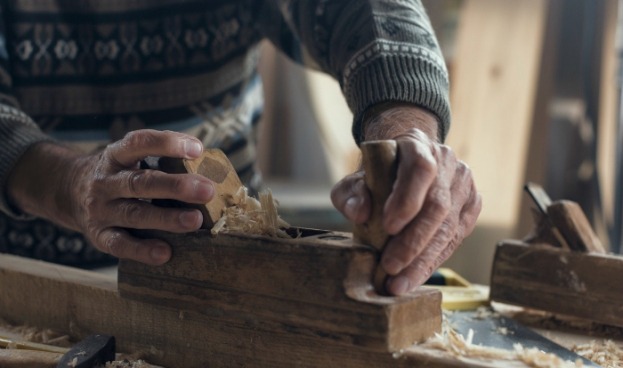
I have a friend named David who can see things others can’t. He has visions. I don’t mean David has “second sight” or any psychic ability; rather, it’s more of an artist’s vision of seeing things that are not there, but that might be. With a gestalt sensibility, he can see something whole that is now in parts, broken, and crying out to be either put out of its misery or loved back into life. David is a woodworker, restorer, and artist. He mainly works with discarded and unwanted pieces of furniture, like the lonely chair left out on the curbside by someone in a rush to move, or the abandoned table at the side of the dumpster, or a battered antique trunk hoping to be discovered on the last day of an estate sale when everything is 75% off. David grabs what others pass up, or gathers odd pieces and makes something completely novel like the “Frankenstein” table as he jokingly called it: a stunning dining set created from disparate parts he found “here and there.”

What a gift! To see possibility among the discarded, to save the landfills by remaking something that lasts, and to add beauty to the world.

I think this is the way God dreams in the world. . . . Click here to read the entire post 🙂

e pluribus unum

“And that’s why it is so important today that we reaffirm our character as a nation — a people drawn from every corner of the world, every color, every religion, every background — bound by a creed as old as our founding, e pluribus unum. Out of many, we are one. For we know that our diversity — our patchwork heritage — is not a weakness; it is still, and always will be, one of our greatest strengths.”
                                                           — President Barack Obama, September 11, 2016

Shortly after I moved back to the United States after living abroad for five years, I began seeing bumper stickers with the motto, “In God We Trust.” It seemed to hold a special significance for some of my neighbors. But why? After a little research and reorientation into my home culture, I realized that for many, this motto serves as a counterpoint — and even a rebuff — to our founding fathers’ 1782 motto, e pluribus unum, “out of many, one.”

If you study any coin from your pocket closely, you can see “In God We Trust” on one side and e pluribus unum on the otherThe social context of each motto is telling. . . . (to continue reading, click here to read my post “U is for Unity“).

“I” is for Imagination

Often, the most intense forms of beauty rise from the ashes of tragedy. Such is the story of how a bombed-out church from the London Blitz ended up in my town in Missouri—restored, renewed, rehallowed. Her name is St. Mary, Aldermanbury, and she’s got quite a story to tell. . .  Read More
Untitled-2

“S” is for Silence

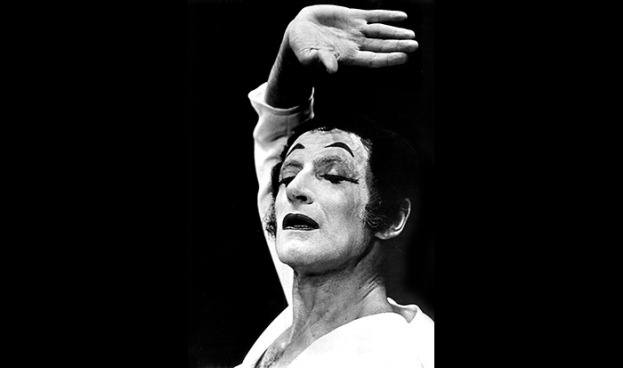
s-is-for-silence-blog1-623x368


“Silence is like a flame, you see?”
—Marcel Marceau

As a lover of words, I wonder why I am so drawn to the wordless worlds of music and dance and art. And then, there is mime, that peculiar silent art form, perhaps brought to its highest expression in the work of Marcel Marceau. After viewing some of his mime masterpieces, such as The Cage and Youth, Maturity, and Old Age, I asked myself: Why does this master of silent storytelling move me so much?

(Read More at Spirituality & Practice)

(Read More–with added videos–at Open Horizons)


“H” is for Hope

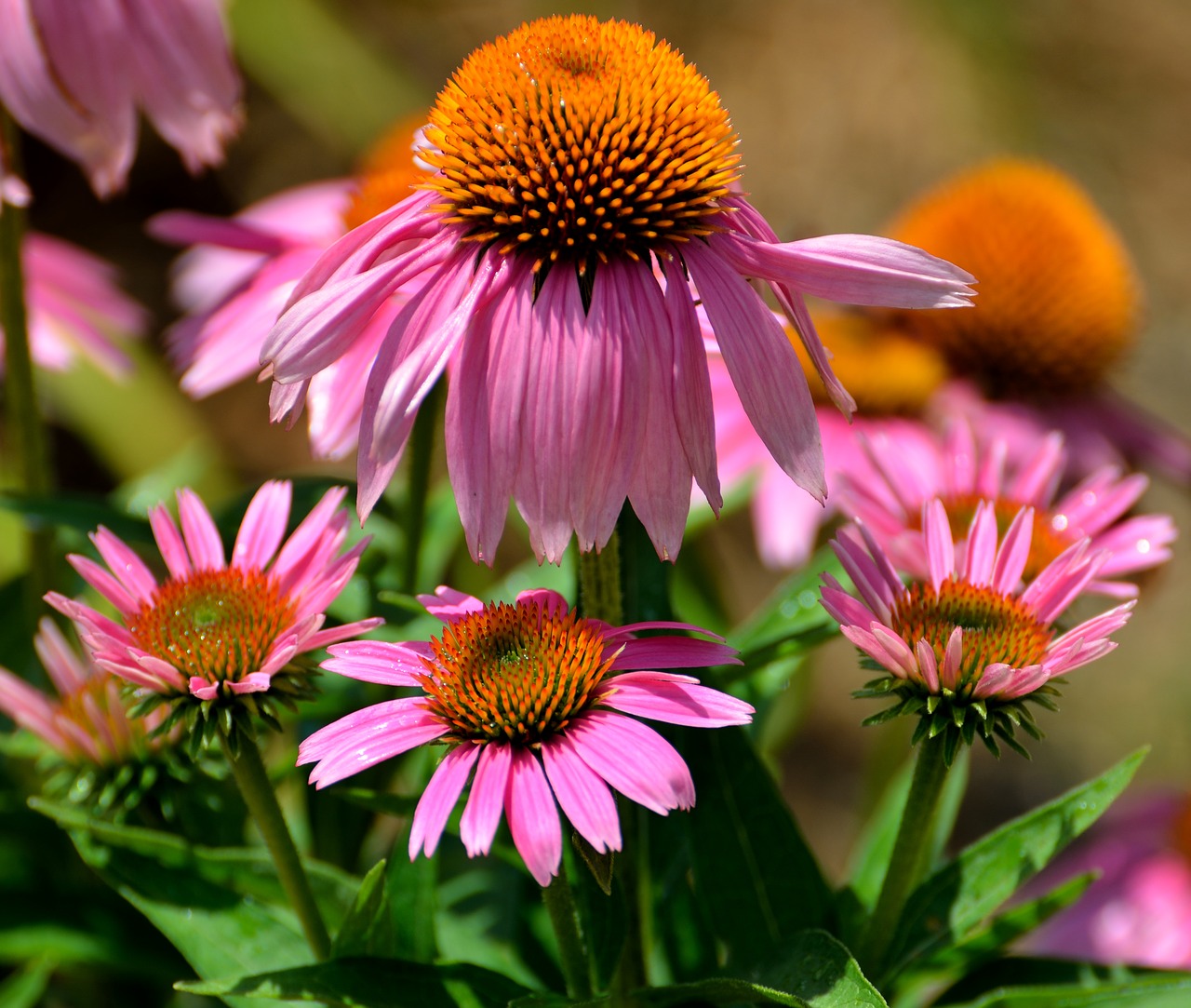
cone-flowers-1624684_1280

To plant a garden is to believe in tomorrow.
—Audrey Hepburn


To plant a garden is to practice hope. When we dare to plant a garden — and it does take daring! — we embody the kind of hope that Henry Sloan Coffin called “a passion for the possible.” This speaks to me of a deep, divine source of unfolding possibilities — a divine urgency for beauty and well-being on a landscape becoming more distressed by the minute. This divine passion describes a great suffering heart, a patient lover, a deep tenderness, everything needed to plant a garden. . . . Click here to read the entire post at Spirituality & Practice 🙂